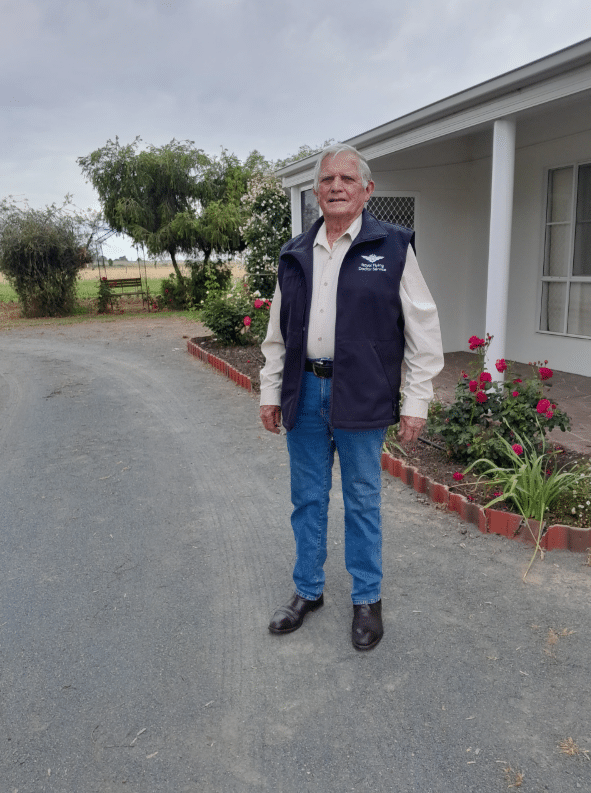
A typical day with Volunteer Driver Peter
What inspired you to volunteer with the Flying Doctor?
I remember 40 years ago watching a documentary about the Royal Flying Doctors in the Outback with their care and commitment looking after patients, getting them to a medical facility. I thought it would be great to help in some way. Then the opportunity came up to be a volunteer team member to transport clients to their medical appointments, so I grabbed the chance and thoroughly enjoy it.
Can you describe a typical volunteer shift in community transport? Is there such a thing?
Typical day is up at 6.30, breakfast, off to town pick up vehicle check phone for client and locality, pick up client and off to the appointment, grab a cup of coffee while you wait. Do that 2-to-3 times a day. Finish the day, fuel up, give the vehicle a wash and finish the day knowing that the RFDS base had done a great job organising your roster.
How do you think the Flying Doctor is making a difference with the individuals and families that we serve?
The most rewarding thing about working with the RFDS is being able to help clients get to appointments, listen to their life’s journey, because a lot of them are living on their own and don’t have the opportunity to get out. They want to show you their appreciation by offering you a cup of coffee or making a donation to the RFDS. Another rewarding thing is when the general public notices the RFDS emblem on your shirt and they thank you for volunteering. It is very rewarding working with the whole RFDS team – a great bunch of people.
What’s been the most rewarding moment for you since joining the team?
With the cost of living high, a lot of pension clients cannot afford the cost of transport or are unable to drive. The RFDS fill that void, especially when family are unable to help. The clients are very appreciative.
Community Transport Yearly Snapshot
50,113
Patients transported by road, averaging 964 journeys every week for people with health and wellbeing needs.

504
Patients transported by air, averaging 10 critical flights every week for Victorians in need.

21,051
Hours of travel saved for patients across the state, from health appointments to social support groups.