Critical care in a ‘tin can’
No emergency button.
No back up team.
No “pulling over” when things get tough.
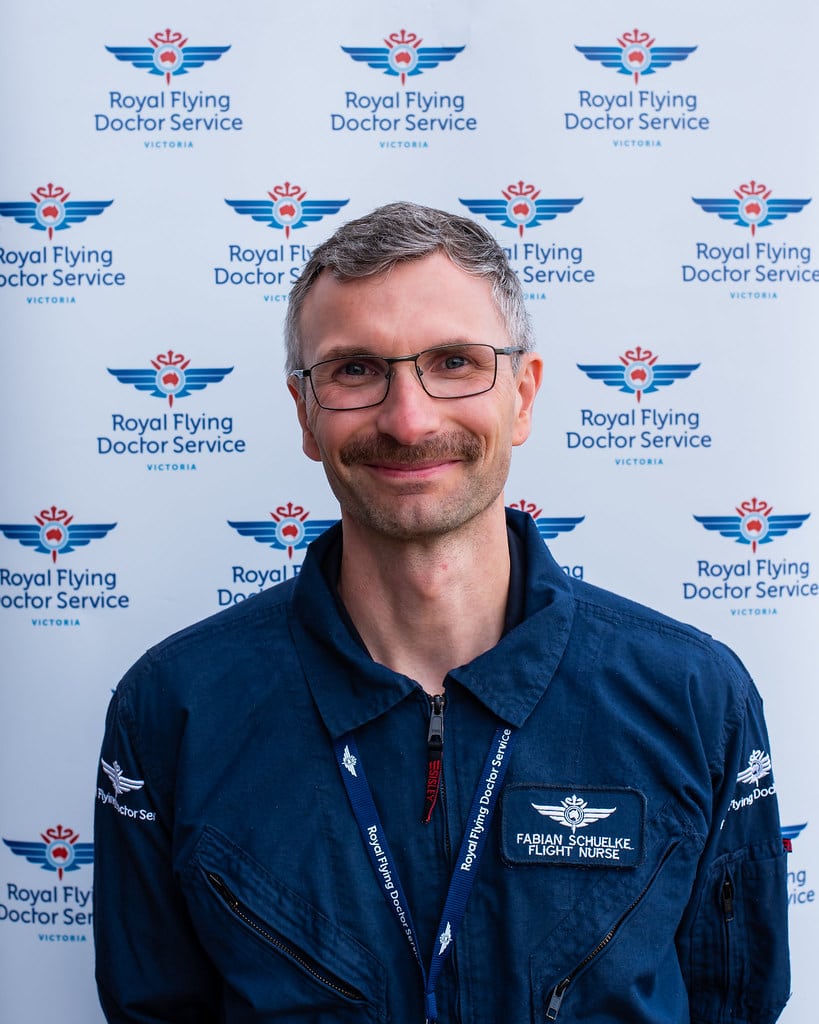
This is the reality for an RFDS Flight Nurse. For every moment he is in the air, Fabian Schuelke’s job demands precision, calm and strong clinical judgment.
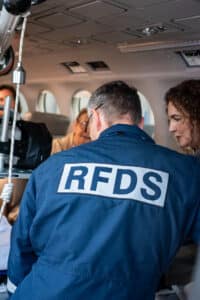
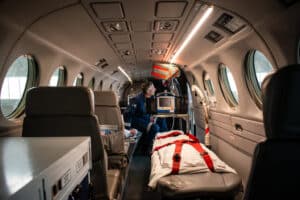
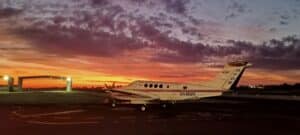
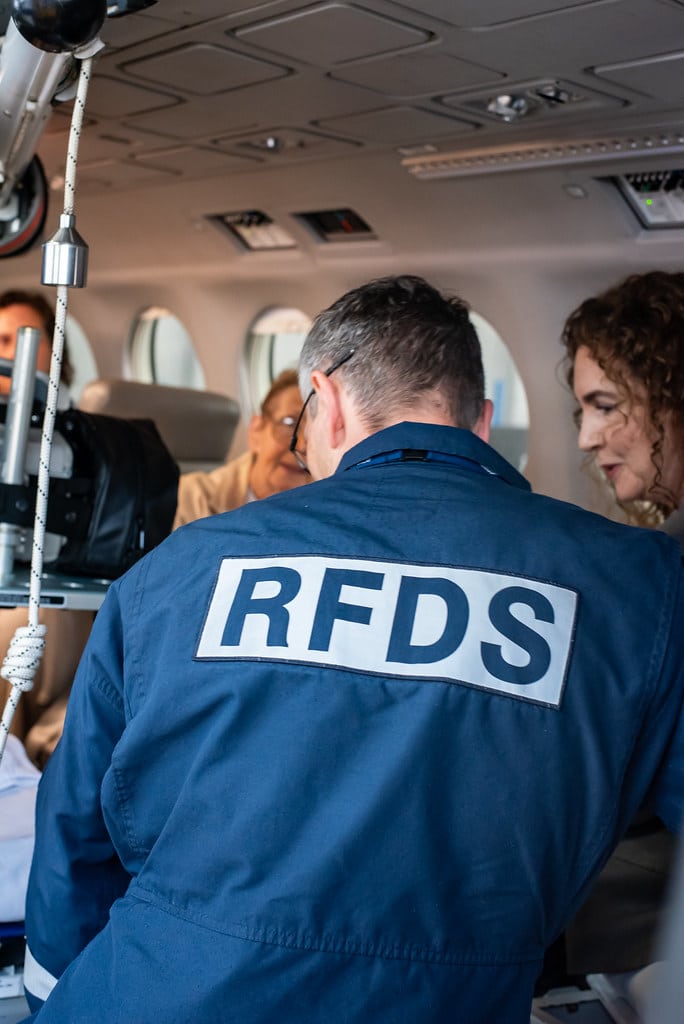
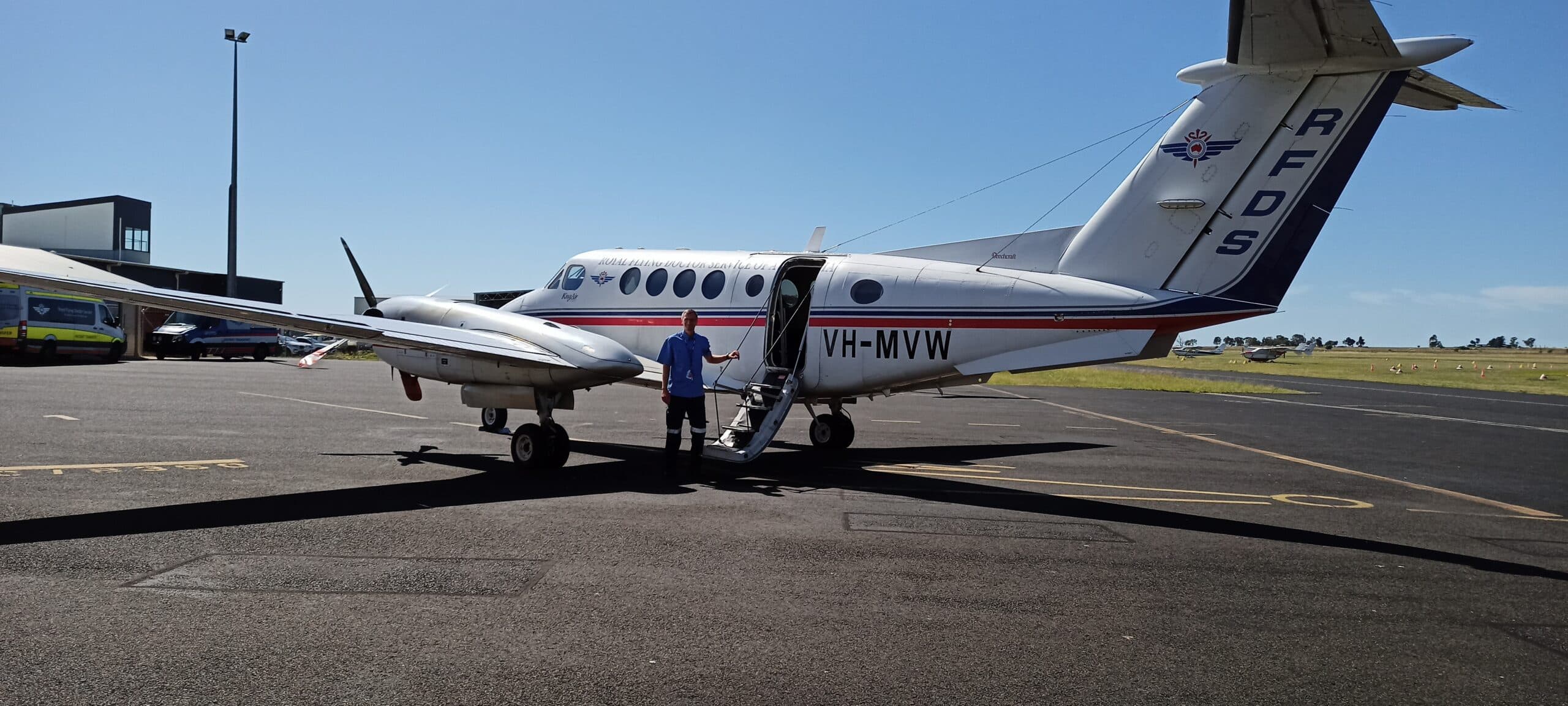
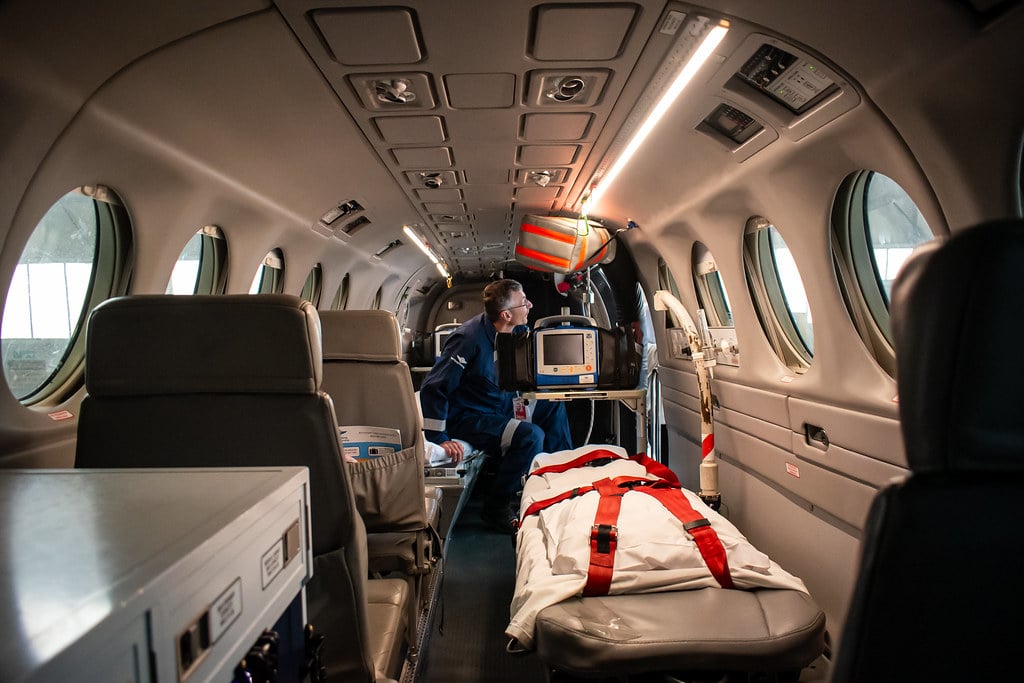
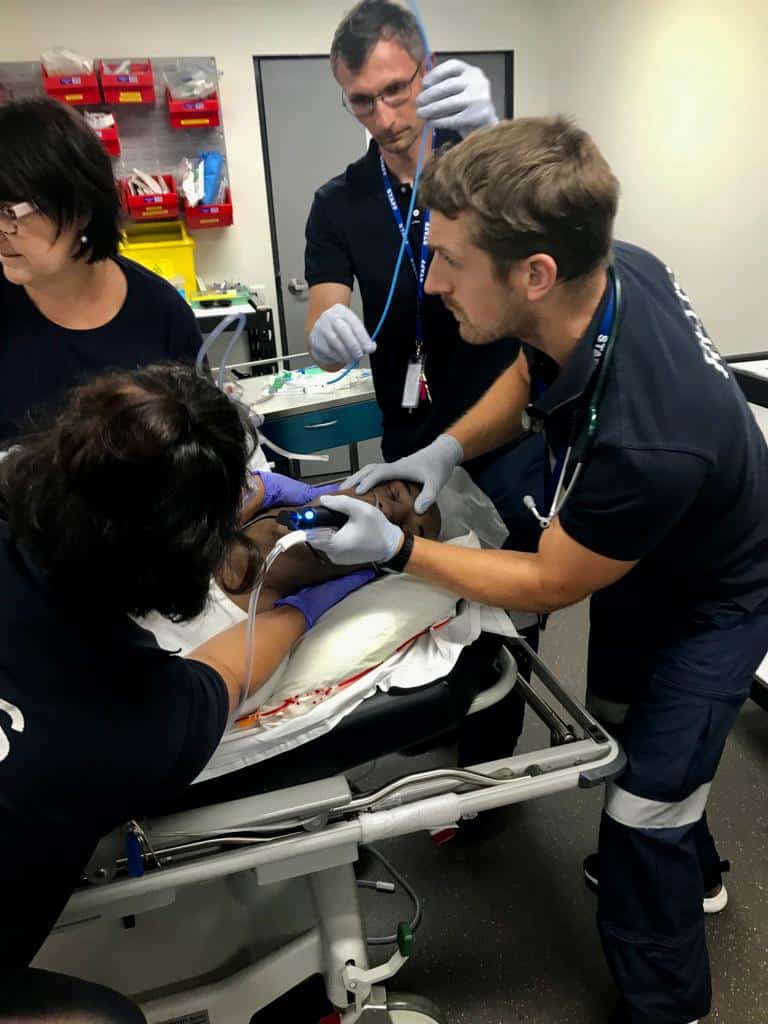
Inside the cramped metal cabin of the King Air B350, Fabian is the often-singular nurse on a patient transport caring for someone while facing the unique challenges of working in the air.
“You have to think about the patient first and foremost but also consider the limitations of pilot hours and weather, and the impact this may have on travel times, and how this might affect the patient’s condition,” Fabian explains.
“A thorough assessment of the patient and trusting your intuition is crucial because once you’re in the air you can’t just hit the emergency button like in a hospital. This comes with the challenge of working inside a ‘tin can’ which is small, gets very hot in summer and very cold in winter. Physically, it’s demanding.”
But Fabian is well-equipped. After completing his undergraduate nursing degree in Scotland, Fabian embarked on a decade of study and advanced training in Critical Care Nursing and Midwifery in pursuit of his lifelong dream to be a retrieval flight nurse with the Royal Flying Doctor Service Australia.




“I have vivid memories of watching the RFDS TV show back [in Germany] in the early 1990s. I was barely 10 years old at the time but I was fascinated by the idea of flying through the outback.”
In 2023 his dream became a reality with an acceptance to the RFDS Base in Dubbo (New South Wales), and later to Richmond (Victoria).
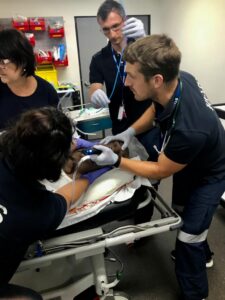
Today, Fabian works within a highly skilled aeromedical team and side-by-side with the RFDS pilots, transports patients to and from hospitals and healthcare facilities. In such a small space, teamwork is critical.
“Demonstrating teamwork can make a huge difference to patients given this can be a very stressful time. I thoroughly enjoy working with our pilots and have come to know [RFDS pilots] Craig and Sebastian pretty well.”
And while much of his work in Victoria involves non-emergency transport, Fabian draws on his frontline experience as a retrieval nurse in NSW when making critical decisions at altitude.
“Farm accidents, heart attacks, serious infections, mental health crises and women in labour – I’ve seen a lot. A particularly stressful job was a flight from Lightning Ridge to Dubbo when we transported a women, 32-weeks pregnant, who was bleeding heavily and in suspected labour. Luckily everything went well” Fabian says.
Luck has little to do with it. Flight Nurses like Fabian bring with them thousands of hours of advanced training and knowledge so they can act decisively and bring people home safely.
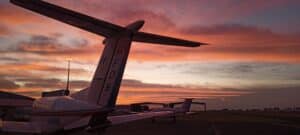
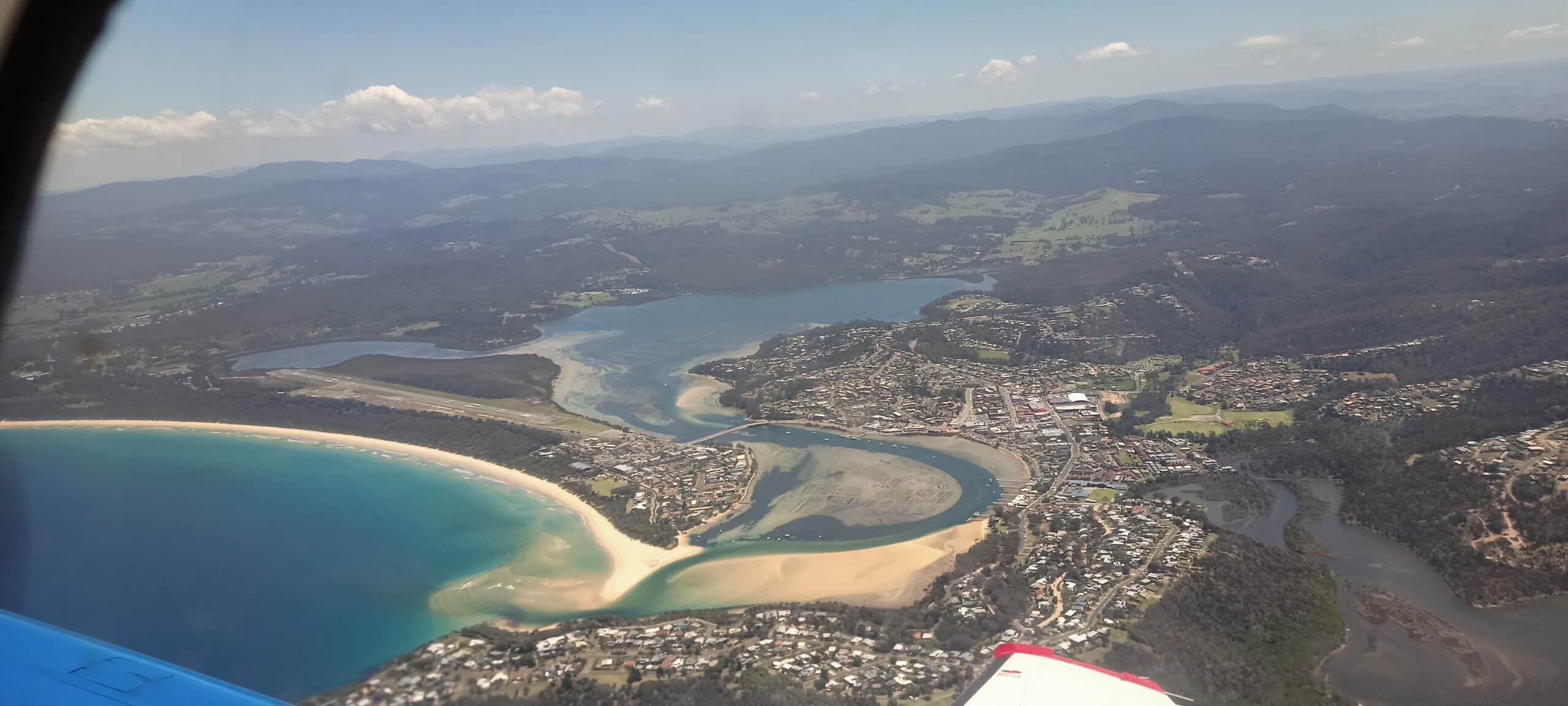
For all its demands, flight nursing has given Fabian a front-row seat to the beauty of Australia.
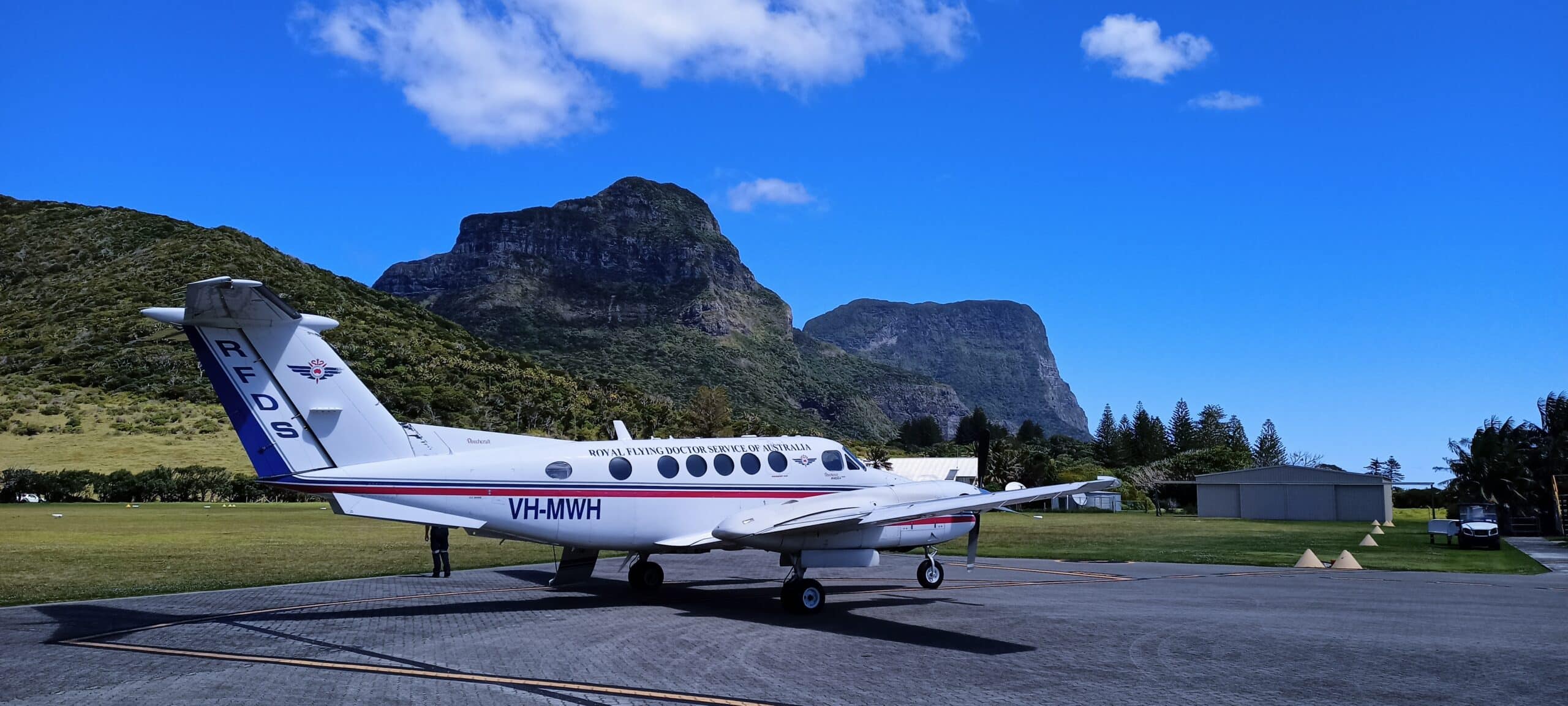
“I was very lucky to be on shift when we got tasked to fly out to Lorde Howe Island to pick up a sick patient and fly them to Sydney. Viewing the island from the air was truly special and I reckon sitting in the flight nurse seat has to be one of the best offices in the world.”
And in every transport and every patient helped through your generosity, a quiet reminder of why this work matters:
“It’s a true privilege working for the RFDS and being part of this huge team that provides a variety of services. I have come across people from many different backgrounds, some hardworking people and some people experiencing extreme hardship.
“I wish more people would understand the disparity between people living remotely and people living in the city when accessing health care. The RFDS provides a lifeline so people can get to the care they need.”