The Power of Play
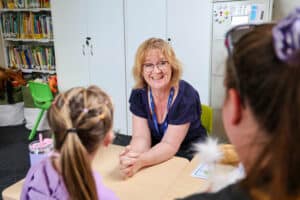
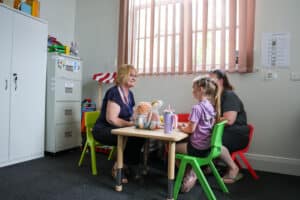
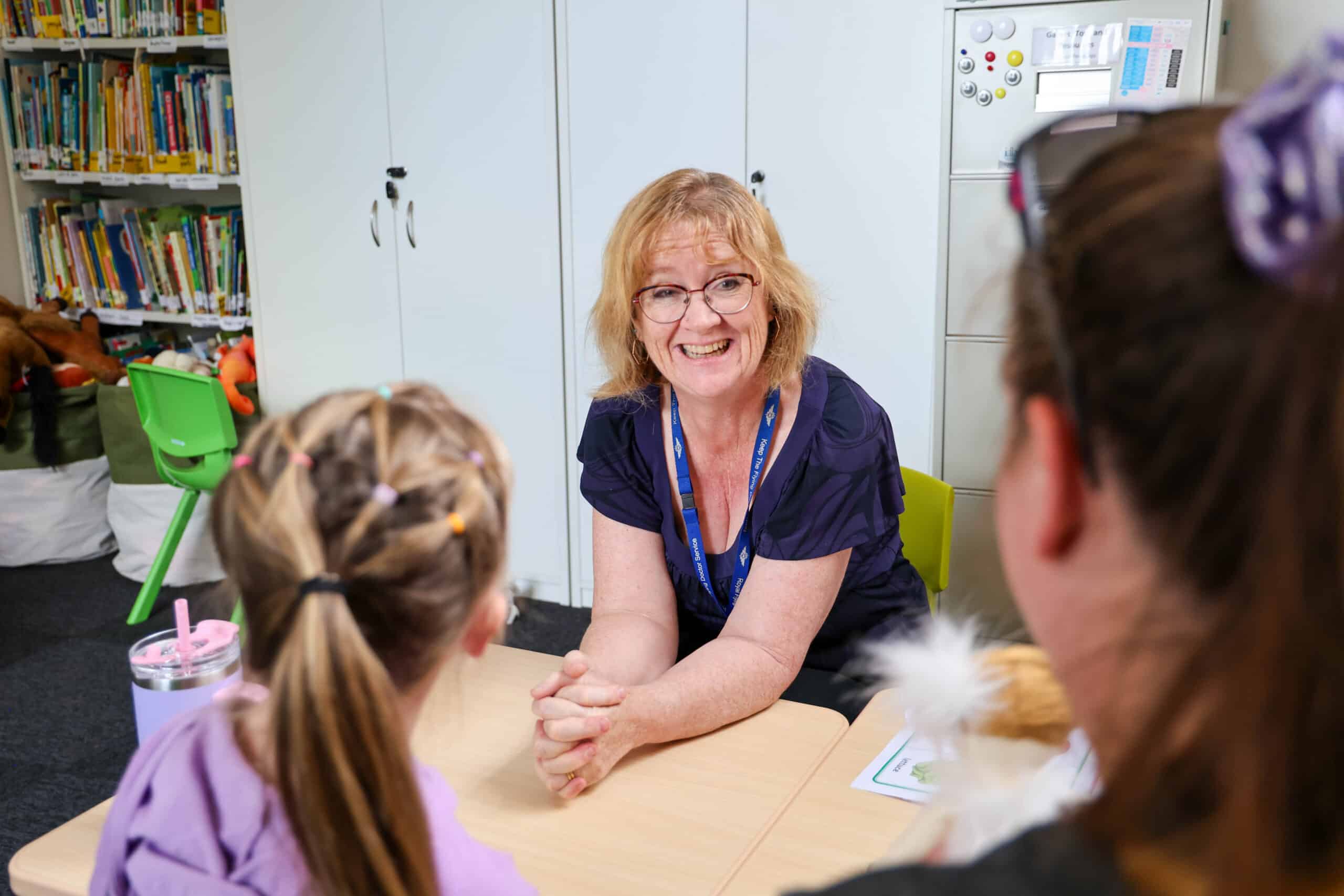
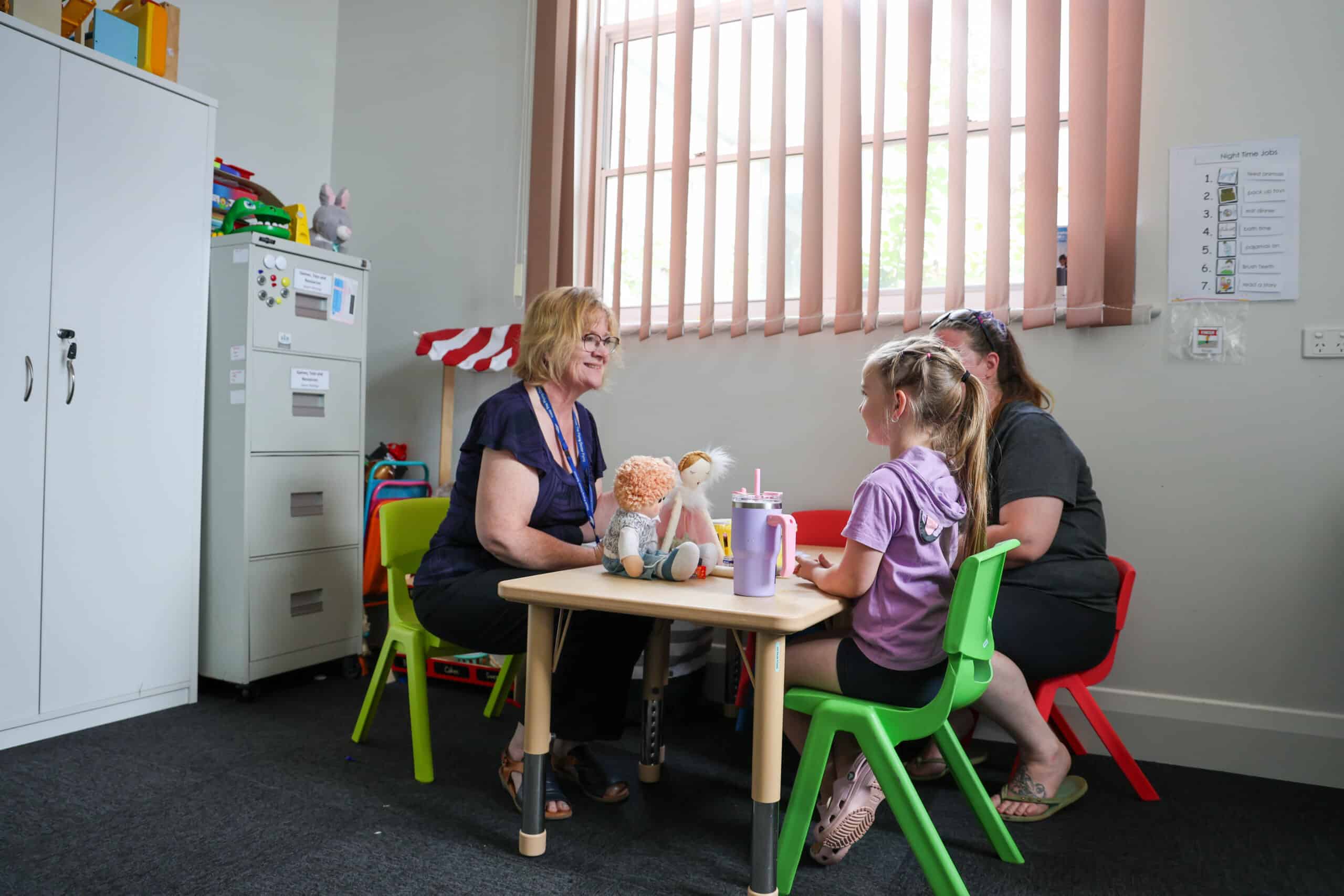
Lisa’s isn’t a normal office. Her shelves are laden with bright picture books, a ballerina peeks out from a box of soft toys and an offering of wooden fruit sits out on a low table. They’re not decoration, they’re therapeutic tools.
Lisa Armitage is one of our Speech Pathologists – affectionately called ‘speechies’ – servicing the small townships of Inglewood, Donald, Birchip and surrounding communities. She provides an early intervention service to help children, aged 0 – 6, address all types of communication challenges like unclear speech, limited vocabulary and comprehension.
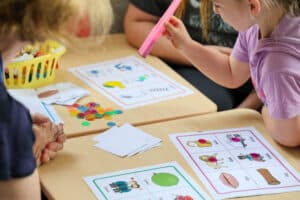
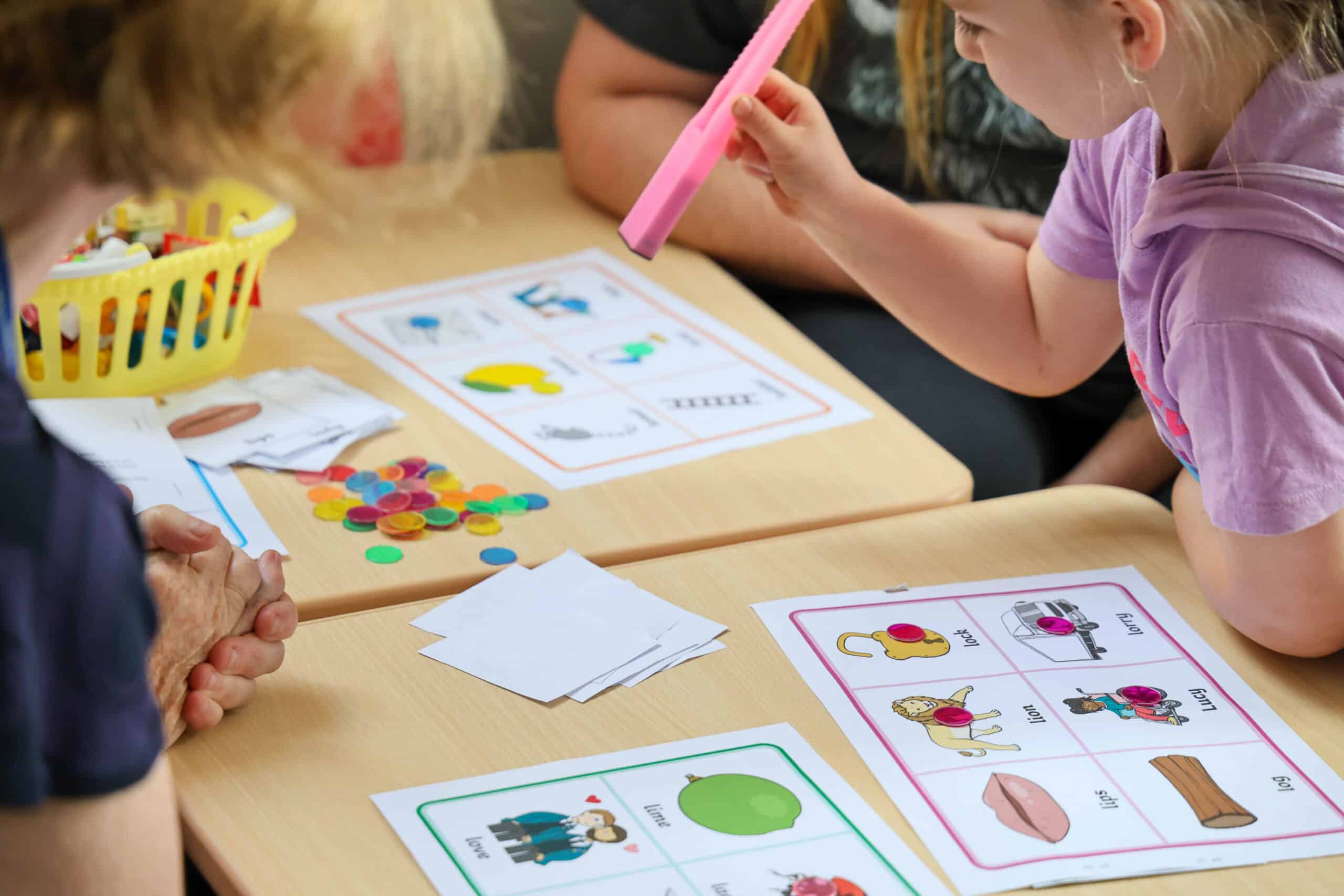
Play is an important part of her sessions. Discussing a favourite book, looking at pictures, or playing a game allows Lisa to build rapport, assess each child’s needs and provides the perfect opportunity for children to practice their speech.
“I feel very special to say that I’m paid to play,” Lisa smiles. “Children learn about how the world works through play and language is built on top of that. Goals for building sentences, learning new words or grammar can be met with toys and books.
“Articulation therapy can use toys to target speech sounds too. For example, when teaching the k sound in the middle of a word we can play with a monkey or if I’m teaching two-syllable words ending in ny we can use a pony or a tiny mouse. We might feed the toys to help children use their new sounds in longer phrases like monkey eating banana or pony eating hay.”
The Power of Play
Lisa’s isn’t a normal office. Her shelves are laden with bright picture books, a ballerina peeks out from a box of soft toys and an offering of wooden fruit sits out on a low table. They’re not decoration, they’re therapeutic tools.
Lisa Armitage is one of our Speech Pathologists – affectionately called ‘speechies’ – servicing the small townships of Inglewood, Donald, Birchip and surrounding communities. She provides an early intervention service to help children, aged 0 – 6, address all types of communication challenges like unclear speech, limited vocabulary and comprehension.
Play is an important part of her sessions. Discussing a favourite book, looking at pictures, or playing a game allows Lisa to build rapport, assess each child’s needs and provides the perfect opportunity for children to practice their speech.
“I feel very special to say that I’m paid to play,” Lisa smiles. “Children learn about how the world works through play and language is built on top of that. Goals for building sentences, learning new words or grammar can be met with toys and books.
“Articulation therapy can use toys to target speech sounds too. For example, when teaching the k sound in the middle of a word we can play with a monkey or if I’m teaching two-syllable words ending in ny we can use a pony or a tiny mouse. We might feed the toys to help children use their new sounds in longer phrases like monkey eating banana or pony eating hay.”
But it’s not just about children saying the right words – speech is also about identity, confidence and connection.
“Communication is a fundamental human right. It’s your link into relationships with people in your community. It’s how you learn you’re valued, that you can contribute, and that you belong somewhere.”
Strong language skills give children the ability to express their needs, form friendships, navigate big emotions and take part in the world around them. As Lisa explains, without this foundation, children can feel isolated or misunderstood – but with it they flourish.
But reaching children early is critical. In many rural areas, families face long drives and long waitlists – delays that can significantly impact a child’s development.
“In rural communities like Inglewood, there’s nowhere to go unless you want to travel 90 minutes to a bigger town like Horsham or Swan Hill. Only having one car, the cost of petrol and even the children arriving tired from the drive are huge impediments for parents who are just trying to do the right thing by their children.”
Instead, families in the Loddon Shire can be seen quickly by Lisa at the Inglewood clinic – at no charge, in their own community, thanks to your donations.
For Lisa, the impact of this work stretches far beyond the clinic walls. Living and working among the people she supports has given her an even deeper appreciation for country Victorians; their generosity, resilience, and the hard work that keeps these regions going.
“These towns are small, supportive and close‑knit,” she says. “Whenever you need anything, everyone is out to help each other. It’s beautiful.”
She often reflects on how much rural communities contribute – working the land, feeding the state, supporting one another through fires, floods and droughts – and how much they deserve in return.
“I feel very strongly about equity in service provision,” Lisa says. “Private therapy is fine, but only if you can afford it. What happens to the children who really need it but can’t? Every family, no matter where they live, deserves access to the same support.”
Providing that support in the bush requires flexibility. Unlike city‑based services, Lisa’s calendar shifts constantly around harvest periods, family commitments, and the unpredictable challenges of rural life. “Out here, life is based on the seasons,” she says. “Sometimes I’m ‘forced’ to give way to harvesting, weather catastrophes or other rural‑based influences. You have to be flexible to ensure the service is truly family‑orientated. Honestly, it’s refreshing.”
We are incredibly proud to deliver this service with trusted, skilled professionals like Lisa, and with you, our donors. Your generosity turns the idea of health equity into something tangible: a light-filled, fun-filled, toy-filled clinic room where families are supported close to home and children are given the opportunity to learn and grow.
But it’s not just about children saying the right words – speech is also about identity, confidence and connection.
“Communication is a fundamental human right. It’s your link into relationships with people in your community. It’s how you learn you’re valued, that you can contribute, and that you belong somewhere.”
Strong language skills give children the ability to express their needs, form friendships, navigate big emotions and take part in the world around them. As Lisa explains, without this foundation, children can feel isolated or misunderstood – but with it they flourish.
But reaching children early is critical. In many rural areas, families face long drives and long waitlists – delays that can significantly impact a child’s development.
“In rural communities like Inglewood, there’s nowhere to go unless you want to travel 90 minutes to a bigger town like Horsham or Swan Hill. Only having one car, the cost of petrol and even the children arriving tired from the drive are huge impediments for parents who are just trying to do the right thing by their children.”
Instead, families in the Loddon Shire can be seen quickly by Lisa at the Inglewood clinic – at no charge, in their own community, thanks to your donations.
For Lisa, the impact of this work stretches far beyond the clinic walls. Living and working among the people she supports has given her an even deeper appreciation for country Victorians; their generosity, resilience, and the hard work that keeps these regions going.
“These towns are small, supportive and close‑knit,” she says. “Whenever you need anything, everyone is out to help each other. It’s beautiful.”
She often reflects on how much rural communities contribute – working the land, feeding the state, supporting one another through fires, floods and droughts – and how much they deserve in return.
“I feel very strongly about equity in service provision,” Lisa says. “Private therapy is fine, but only if you can afford it. What happens to the children who really need it but can’t? Every family, no matter where they live, deserves access to the same support.”
Providing that support in the bush requires flexibility. Unlike city‑based services, Lisa’s calendar shifts constantly around harvest periods, family commitments, and the unpredictable challenges of rural life. “Out here, life is based on the seasons,” she says. “Sometimes I’m ‘forced’ to give way to harvesting, weather catastrophes or other rural‑based influences. You have to be flexible to ensure the service is truly family-orientated. Honestly, it’s refreshing.”
We are incredibly proud to deliver this service with trusted, skilled professionals like Lisa, and with you, our donors. Your generosity turns the idea of health equity into something tangible: a light-filled, fun-filled, toy-filled clinic room where families are supported close to home and children are given the opportunity to learn and grow.
What is Flying Doctor Speech Therapy?
RFDS Victoria is working with local health services to provide children aged 0-12 years with easy access to free and local speech pathology services.
After a successful two-year pilot across the Mallee, we now support children’s speech services in the towns of Robinvale, Ouyen, Sea Lake, Murrayville and Underbool. We have also expanded across the Buloke and Loddon regions, servicing the communities of Inglewood, Wedderburn, Bridgewater, Charlton, Donald, Wycheproof, Birchip and Dingee.